
Anti-Inflammatory Support: Food, Habits, and Do-First Priorities
Anti-inflammatory support is not just about what you eat. Learn which foods, habits, and first priorities make the most meaningful difference in a whole-person approach to reducing chronic inflammation.
CHRONIC PAIN & INFLAMATION

The term "anti-inflammatory" has become ubiquitous in wellness culture — attached to diets, supplements, recipes, and routines in ways that can make the concept feel both everywhere and somehow still unclear. What does it actually mean to support the body's inflammatory response? And where does a person meaningfully begin?
The answer is both simpler and more nuanced than most anti-inflammatory content suggests. It is simpler because the foundational principles are consistent and well-supported by research. It is more nuanced because what matters most is not any single food or habit in isolation — it is the cumulative effect of multiple small, consistent changes that reduce the total inflammatory burden the body is carrying.
This article focuses on what is most worth prioritizing — not an exhaustive list of everything that could theoretically help, but a clear framework for where to direct attention first.
What "Anti-Inflammatory" Actually Means
Supporting the body's inflammatory response does not mean eliminating inflammation entirely. Inflammation is a necessary biological process. The goal is to reduce the conditions that keep it chronically activated — the persistent, low-grade immune response that, over time, drives pain, fatigue, digestive disruption, and a wide range of other symptoms.
This means addressing the inputs that fuel chronic inflammation — dietary, environmental, physiological, and behavioral — and supporting the body's natural capacity to regulate and resolve inflammatory activity.
No single food, supplement, or habit accomplishes this alone. Anti-inflammatory support is a cumulative practice, not a single intervention.
The Food Foundation
Diet is one of the most consistently modifiable drivers of chronic inflammation — and one of the areas where intentional change tends to produce the most noticeable early results. The following principles form the foundation of an anti-inflammatory nutritional approach.
Prioritize whole, minimally processed foods. The most consistent finding across nutritional research on inflammation is that diets built around whole foods — vegetables, fruits, legumes, whole grains, quality proteins, and healthy fats — are associated with lower inflammatory markers. The closer food is to its natural state, the more likely it is to support rather than burden the body's regulatory systems.
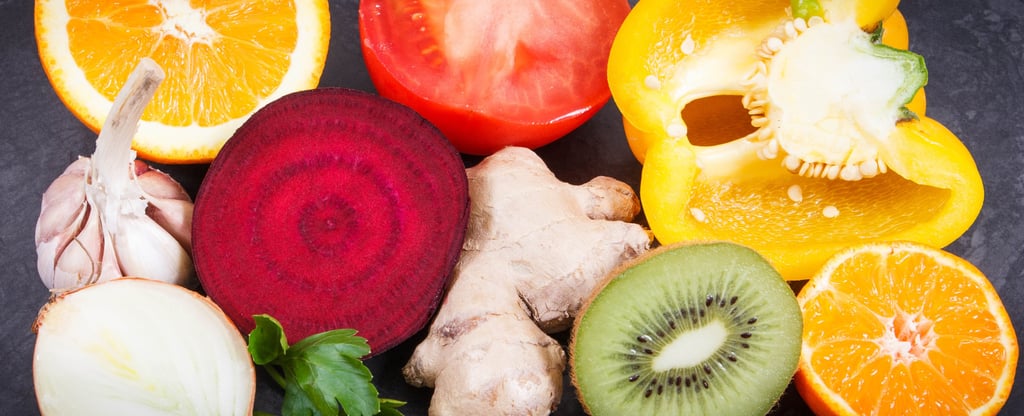
Increase vegetable diversity and quantity. Different vegetables contain different phytonutrients — plant compounds with anti-inflammatory, antioxidant, and immune-modulating properties. Eating a wide variety of vegetables, particularly those with deep color, provides a broader range of these compounds than any supplement can replicate. Aiming for five to eight servings daily is a meaningful and achievable target for most people.
Include omega-3 rich foods consistently. Omega-3 fatty acids — found in fatty fish such as salmon, sardines, and mackerel, as well as in flaxseed, chia seeds, and walnuts — are among the most well-documented dietary contributors to reduced inflammatory activity. The balance between omega-3 and omega-6 fatty acids in the diet significantly influences the body's inflammatory tone. Most people in modern food environments consume far more omega-6 than omega-3, which tips the balance toward pro-inflammatory activity.
Reduce refined sugar and refined carbohydrates. Sugar and rapidly digested carbohydrates drive insulin spikes, feed dysbiotic bacteria in the gut, and directly stimulate pro-inflammatory signaling pathways. Reducing these inputs — not eliminating all carbohydrates, but reducing refined and processed sources — is one of the highest-impact dietary changes available for most people.
Replace industrial seed oils with quality fats. Vegetable oils high in omega-6 fatty acids — such as corn, soybean, sunflower, and canola oil — contribute to the omega-3 to omega-6 imbalance mentioned above and are associated with increased inflammatory activity. Replacing them with extra virgin olive oil – cold press, avocado oil, and coconut oil for cooking is a simple and meaningful shift.
Support the gut microbiome through food. As discussed in a previous article, gut health is one of the central drivers of systemic inflammation. Fermented foods — yogurt, kefir, sauerkraut, kimchi, and kombucha — provide beneficial bacteria that support microbiome diversity. Prebiotic-rich foods — garlic, onions, leeks, asparagus, and oats — feed those bacteria and support a healthy gut environment.
Reduce ultra-processed foods as a category. Beyond any specific ingredient, ultra-processed foods — those designed for palatability and shelf stability rather than nutritional integrity — consistently show associations with elevated inflammatory markers, gut dysbiosis, and increased risk of chronic disease. Reducing them as a broad category, rather than tracking individual additives, is a practical and effective approach.
The Habits That Matter as Much as Food
Diet is foundational, but anti-inflammatory support extends well beyond what a person eats. The following habits have direct, measurable effects on inflammatory activity — and are often underweighted relative to nutrition in popular wellness content.
Sleep with consistency and intention. Sleep is the body's primary window for inflammatory resolution and immune regulation. Research consistently shows that even modest sleep restriction — less than six to seven hours per night — elevates inflammatory markers within days. Consistent sleep and wake times, a cool and dark sleep environment, and a wind-down routine that reduces screen exposure and cognitive stimulation in the hour before bed are among the highest-leverage habits available for inflammation management.
Move regularly, but appropriately. Moderate, consistent physical activity has well-documented anti-inflammatory effects — it supports lymphatic flow, improves insulin sensitivity, reduces visceral fat, and promotes the production of anti-inflammatory myokines from muscle tissue. However, for people already dealing with chronic inflammation and depleted energy reserves, excessive or high-intensity exercise can temporarily increase inflammatory burden. The key is consistency and appropriate intensity — gentle daily movement tends to produce better outcomes than infrequent intense sessions.
Manage the stress response actively. Chronic psychological stress maintains elevated cortisol and promotes pro-inflammatory cytokine production. Stress management is therefore not a soft wellness add-on — it is a direct anti-inflammatory intervention. Practices that activate the parasympathetic nervous system — slow breathing, time in nature, gentle movement, social connection, and reduction of unnecessary cognitive load — all contribute to a lower inflammatory baseline over time.
Spend time in natural environments. Exposure to natural settings — forests, gardens, coastal environments — has been associated with measurable reductions in cortisol, blood pressure, and inflammatory markers. This effect, sometimes called "nature therapy" or shinrin-yoku in Japanese research, is not trivial. For people with access to natural environments, regular time outdoors is a genuinely valuable anti-inflammatory habit.
Reduce environmental toxic exposure where possible. Household cleaning products, personal care products, plastics, and pesticide residues on food all contribute to the body's total toxic burden — which, as discussed previously, is a driver of chronic inflammation. Gradual, practical reductions in these exposures — choosing fragrance-free products, filtering drinking water, prioritizing organic produce for high-pesticide items — reduce one of the background inputs that keeps inflammatory activity elevated.
Do-First Priorities: Where to Begin
For someone newly approaching anti-inflammatory support, the volume of information available can itself become overwhelming. The following priorities are sequenced by impact and accessibility — they represent the changes most likely to produce meaningful results for the most people, in the most practical order.
First: Address the most inflammatory dietary inputs. Before adding anything new, identify and reduce the inputs most actively driving inflammation in your current diet — refined sugar, ultra-processed foods, and industrial seed oils. This creates a cleaner foundation before any additions will be effective.
Second: Stabilize sleep. If sleep is significantly disrupted, address it before layering on complex dietary or supplement protocols. The body's capacity to benefit from other anti-inflammatory interventions is substantially reduced when sleep is chronically insufficient.
Third: Add vegetables before adding supplements. A common pattern is to reach for anti-inflammatory supplements before establishing a strong nutritional foundation. While some supplements have genuine value, they work best on top of a diet that already provides anti-inflammatory phytonutrients, fiber, and micronutrients. Increasing vegetable diversity and quantity first tends to produce more durable results than supplementation alone.
Fourth: Move gently every day. A daily walk, gentle stretching, or light movement practice — even fifteen to twenty minutes — begins to shift inflammatory patterns in ways that accumulate meaningfully over weeks and months.
Fifth: Identify your highest stress inputs. Not all stress can be eliminated, but most people have identifiable sources of chronic psychological stress that can be reduced, restructured, or better supported. Naming them and taking even small steps toward reducing them is part of anti-inflammatory support.
Anti-Inflammatory Support as a Practice, Not a Protocol
The most important reframe in anti-inflammatory support is moving from the mindset of a protocol — something to follow intensively for a defined period — to the mindset of a practice — something built gradually into the way a person lives.
Protocols produce temporary results. Practices, built progressively and sustained over time, produce the durable reduction in inflammatory burden that meaningful recovery requires.
This is why anti-inflammatory support, done well, is not a list of things to add. It is a gradual restructuring of the conditions in which the body lives — one that honors the person's capacity, respects the pace of genuine change, and builds momentum through consistency rather than intensity.
Explore Whether This Program Is Right for You
If you are navigating chronic inflammation and are looking for a more structured, personalized approach to recovery — one that addresses food, habits, emotional load, and whole-person support together — the BLIRM Method may offer the kind of path you have been looking for.
The information in this article is educational in nature and is not intended as medical advice. BLIRM-Method is an integrative support program and does not replace the care of licensed healthcare providers.
Fanny Barquero
Guided Integrative Recovery Support
© 2026 Fanny Barquero. All rights reserved.